 |
|
 |
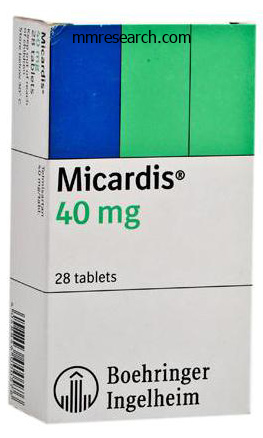
Micardis dosages: 80 mg, 40 mg, 20 mg
Cheap 80 mg micardis with amexManagement and outcomes of facial paralysis from intratemporal blunt trauma: a systematic evaluate heart attack vs stroke 80 mg micardis order amex. Sudden headache blood pressure calculator micardis 80 mg trusted, third nerve palsy and visible deficit: considering exterior the subarachnoid haemorrhage box. Factors affecting visual consequence in herpes zoster ophthalmicus: a prospective study. Teaching NeuroImages: inside carotid artery dissection presenting as Villaret syndrome. Hemilingual spasm: defining a brand new entity, its electrophysiological correlates and surgical remedy via microvascular decompression. Prediction of dysphagia severity: an investigation of the dysphagia patterns in patients with lateral medullary infarction. Clinical features and natural historical past of acquired third, fourth, and sixth cranial nerve palsy. Orthostatic headache and bilateral abducens palsy secondary to spontaneous intracranial hypotension. Current neurosurgical management of glossopharyngeal neuralgia and technical nuances for microvascular decompression surgical procedure. Abducens (sixth) nerve palsy presenting as a uncommon case of isolated brainstem metastasis from a primary breast carcinoma. Etiology, analysis, and management of facial palsy: 2000 patients at a facial nerve center. Facial nerve schwannomas of the cerebellopontine angle: the mayo clinic expertise. Trigeminal neuralgia as the primary scientific manifestation of anti-hu paraneoplastic syndrome induced by a borderline ovarian mucinous tumor. Neuralgia of the glossopharyngeal and vagal nerves: long term outcome following surgical therapy and literature evaluation. Clinical course and characteristics of acute presentation of fourth nerve paresis. Brainstem manifestations in neuromyelitis optica: a multicenter study of 258 patients. The Dorello canal: historical improvement, controversies in microsurgical anatomy, and medical implications. Midbrain syndromes of Benedikt, Claude, and Nothnagel: setting the document straight. Concomittant persistent pain in classical trigeminal neuralgia-evidence of various subtypes. Unilateral isolated hypoglossal nerve palsy associated with inside carotid artery dissection. Mental neuropathy as a manifestation associated with malignant processes: its significance in relation to patient survival. Bilateral pupil-sparing third nerve palsies because the presenting signal of multiple sclerosis. Surgical administration of trigeminal neuralgia: use and value effectiveness from an evaluation of the medicare claims database. Hemifacial spasm, neuralgia, and syncope due to cranial nerve compression in a patient with vertebral artery ectasia. Unilateral headache assaults and ipsilateral atrophy of the tongue as a outcome of neurovascular compression of the hypoglossal nerve. Isolated third, fourth, and sixth cranial nerve palsies from presumed microvascular versus other causes: a prospective research. Adult hypertropia: a guide to diagnostic evaluation based on evaluation of 300 sufferers. Immunoglobulin G4-related intracranial inflammatory pseudotumours alongside each the oculomotor nerves. Abducens nerve palsy and Horner syndrome because of metastatic tumor within the cavernous sinus. Dorello canal revisited: an remark that doubtlessly explains the frequency of abducens nerve harm after head harm. Intramesencephalic course of the oculomotor nerve fibers: microanatomy and possible medical significance. Trigeminal schwannomas: cranium base approaches and operative ends in 105 patients. Understanding skew deviation and a brand new medical take a look at to differentiate it from trochlear nerve palsy. The efficacy and safety of microvascular decompression for idiopathic trigeminal neuralgia in patients older than 65 years. Cisternal trochlear nerve schwannoma: enchancment of diplopia after subtotal tumour excision. Detailed anatomy of the motor and sensory roots of the trigeminal nerve and their neurovascular relationships: A magnetic resonance imaging research. Sixth cranial nerve palsy caused by compression from a dolichoectatic vertebral artery. These disorders typically border on other medical disciplines unfamiliar to the neurologist and hence may be enigmatic or troublesome to diagnose. They have a mix of genetic, developmental, traumatic, degenerative, infectious, and inflammatory mechanisms. For the scientific neurologist, awareness tremendously strengthens diagnostic talent, due to this fact this chapter reviews many of these issues. Classifications of heritable problems of connective tissue can depend on sample of inheritance, medical features, anatomical sample, or recognized molecular defects. Connective tissues contain a wide range of advanced macromolecules assembled in the extracellular matrix. There are at least 28 different varieties of collagen in bone, pores and skin cartilage, tendons, and ligaments. Rarely, osteogenesis imperfecta is sophisticated by cervical artery dissection ensuing from fragility of enormous blood vessels (GrondGinsbach and Debette, 2009). Aortic regurgitation, floppy mitral valves, and mitral incompetence can lead to cerebrovascular problems. For unknown reasons, some patients develop a hypermetabolic state with elevated serum thyroxine levels, hyperthermia, and extreme sweating. Treatment is symptomatic and tailor-made to the severity of signs, though women require particular attention throughout being pregnant and after menopause when fractures improve. More severely affected children require extra comprehensive physical remedy and orthopedic management. Neurological problems referring to potential brainstem and spinal compression require applicable attention. The dysfunction is characterized by joint hypermobility and variable pores and skin options along with a myriad of additional abnormalities relying on the subtype.
Micardis 40 mg provenA medical and molecular genetic research of dentatorubropallidoluysian atrophy in four European families heart attack white sea remix micardis 20 mg cheap overnight delivery. The second time period refers to the broader household of issues that may affect the upper and/or lower motor neuron system as properly as nonmotor techniques blood pressure regulation cheap micardis 80 mg visa. Within this heterogeneous household are included familial and sporadic issues, inflammatory and immune problems, and others of undetermined trigger. Betz cells (giant pyramidal neurons) are a definite group of large motor neurons in layer 5 of the primary motor cortex and characterize solely a small portion of all primary motor neurons with axons within the corticospinal tracts. Individual motor neurons in the main motor cortex initiate and control the contraction of small teams of skeletal muscles subserving particular person movements. The entire motor space of the cerebral cortex controls the best levels of voluntary muscle movement, together with motor planning and programming of muscle motion. Axons arising from neurons within the major motor cortex constitute solely one-third of all the corticospinal and corticobulbar tracts. Among these, Betz cell axons make up 3% to 5% of the tract, and the remaining fibers from the first motor cortex arise from other neurons in layer 5 of the primary motor cortex. Another one-third of the axons in these tracts derive from Brodmann space 6, which includes the supplementary motor and the lateral premotor cortex. Most corticospinal fibers (75%�90%) decussate in the decrease medulla (pyramidal decussation) and form the lateral corticospinal tract within the spinal cord (the pyramidal tracts). The lateral corticospinal tract projects to ipsilateral spinal motor neurons and their interneurons that control extremity muscle contraction, whereas the anterior corticospinal tract ends bilaterally on ventromedial motor neurons and interneurons that control the axial and postural muscular tissues. These corticospinal axons provide direct glutamatergic excitatory input to alpha motoneurons. The fibers originating in the medial and inferior vestibular nuclei in the medulla descend within the medial vestibulospinal tract and terminate both on medial cervical and thoracic motor neurons and on interneurons. The lateral vestibulospinal tracts originating in the lateral vestibular nucleus (Deiter nucleus) activate the extensor motor neurons and inhibit the flexor motor neurons in all limbs. The brainstem reticular formation additionally strongly influences the spinal motor neurons, exerting widespread polysynaptic inhibitory input on extensor motor neurons and excitatory enter on flexor motor neurons. The reticulospinal tracts modulate various reflex actions during ongoing movements. The brainstem reticular formation receives supranuclear control from the motor cortex through the cortical reticulospinal pathway to act as a major inhibitor of spinal reflexes and exercise. The tectospinal tract originates within the superior colliculus and controls eye and head movement. Variations in the steadiness between inhibitory enter (mediated by the dorsal reticulospinal tract) and facilitatory enter (mediated by the medial reticulospinal tract alter muscle tone. To some extent, the vestibulospinal tract alters tone by input to muscle stretch receptors. The limbic system is involved in emotional expertise and expression and associated with a variety of autonomic, visceral, and endocrine features. The emotional status and experience of a person determines overall spinal wire exercise, and the limbic motor system additionally influences respiration, vomiting, swallowing, chewing, and licking (at least in animal studies). The latter nuclei project to the somatic motor neurons that innervate pharyngeal, soft palatal, intercostal, diaphragmatic, stomach, and probably laryngeal muscular tissues. The "cerebellar cognitive affective syndrome" can come up when stroke, tumor, or an infection interrupts connections between the cerebellum and cerebral affiliation and paralimbic areas (Schmahmann and Sherman, 1998). Loss of dexterity might express itself as stiffness, slowness, and clumsiness in performing any skillful motor actions. Asking the patient to perform rapid repetitive motions similar to foot or finger tapping assesses loss of dexterity at the bedside. It is useful to assess both sides of the physique, as many motor neuron disorders are asymmetrical (Box ninety eight. Clinically, muscle tissue exhibit a sudden resistive "catch" midway throughout passive movement of the limb. However, when a sustained passive stretch is continued, spastic muscular tissues quickly release the stress and loosen up, an occasion typically described as the "clasp-knife phenomenon. The stimulus is a brief, high-intensity electromagnetic pulse generated from a sequence of capacitors and discharged through wire coils utilized on the scalp over the motor cortex and the evoked response measured at skeletal muscle. The Babinski signal (extensor plantar response) is perhaps the most important sign in the medical neurological examination and is characterised by extension of the good toe (often, however not universally, accompanied by fanning of the opposite toes) in response to stroking the outer fringe of the ipsilateral sole upward from the heel with a blunt object. This sign might only evolve at a later stage of disease and could additionally be absent within the setting of marked atrophy of the toe extensor muscles. Articulation, mastication, and deglutition are impaired in both pseudobulbar and bulbar palsies, however the diploma of impairment in pseudobulbar palsy is mostly milder. Spontaneous or unmotivated crying and laughter uniquely characterize pseudobulbar palsy. This can also be termed emotional lability, hyperemotionality, labile have an result on, or emotional incontinence and is often a source of great embarrassment to the affected person. Other features embrace cramps and fasciculations, however such complaints are neither prominent nor common. Although muscle weakness is current, the main deficits are as a result of spasticity in dexterity and gait. The fee of progression may be exceedingly sluggish, usually progressing over many years to the point the place the affected person manifests a robotic gait, debilitating generalized spasticity, and outstanding pseudobulbar palsy. Severe spasticity sometimes requires the insertion of an intrathecal baclofen pump. Tricyclic antidepressants, selective serotonin reuptake inhibitors, or dextromethorphan/quinidine might management pseudobulbar have an effect on lability (Brooks et al. The medical function common to all instances is progressively worsening spasticity of the lower extremities, usually with variable degrees of weakness. The attribute pathology is retrograde degeneration of the longest nerve fibers within the corticospinal tracts and posterior columns. Its estimated prevalence is 3 to 10 per one hundred,000, however its worldwide prevalence may very well be underestimated due to the benign nature of the disease in many families (Blackstone, 2012). Although the most common mode of inheritance is autosomal dominant, it could also be inherited in a recessive or X-linked trend, however it must be borne in thoughts that a quantity of cases will lack a household historical past (Depienne et al. Although most cases current in the second to fourth decades, onset is from infancy into the eighth decade. The medical syndrome is broadly divisible into the pure form and the difficult kind. In the pure kind, patients develop only lower-extremity spasticity, however some of these cases eventually turn out to be sophisticated. However, the difficult kind can also embrace optic neuropathy, pigmentary retinopathy, deafness, ataxia, ichthyosis, amyotrophy, peripheral neuropathy, dementia, autoimmune hemolytic anemia/thrombocytopenia (Evans syndrome), extrapyramidal dysfunction, intellectual incapacity, and bladder dysfunction. Mutations of varied varieties (missense, nonsense, frameshift, splice site) might affect this gene (McDermott, 2006). Pathologically, degeneration of the longest corticospinal tracts and, to a lesser degree, the posterior columns of the spinal cord is seen. Pathological modifications embrace a hanging lack of Betz cells in layer 5 of the frontal and prefrontal motor cortex (and different smaller pyramidal cells) along with laminar gliosis of layers 3 and 5 and degeneration of the corticospinal tracts. For example, known mutations are associated with various pathogenic mechanisms which have an effect on mobile transport or the metabolism and development of axons and synapses (Novarino et al. Discount micardis 40 mg with mastercardNeurologicalFeatures Personality adjustments and decline in class performance may be the earliest neurological manifestations of this syndrome hypertension differential diagnosis micardis 20 mg purchase on-line. Progressive lack of cognitive operate usually begins in childhood blood pressure chart female order 80 mg micardis otc, however some patients stay intellectually normal for a number of years. Psychosis with auditory hallucinations, paranoid ideation, and catatonia happen rarely, but examination for cataracts and tendon xanthomas must be included within the evaluation of patients with new-onset psychosis. Other findings embody cerebral and cerebellar atrophy and diffusely irregular white matter, presumably reflecting sterol infiltration with demyelination. Sural nerve biopsy may show decreased densities of each myelinated and unmyelinated axons, and teased fibers show axonal regeneration and remyelination. Short-latency somatosensory evoked potentials might present prolonged central conduction occasions with tibial nerve stimulation, but regular conduction velocities with median nerve stimulation. Brainstem auditory evoked potentials and visible evoked potentials are irregular in approximately half of patients studied. The enzyme deficiency results in deposits of ldl cholesterol and cholestanol, a metabolic by-product of ldl cholesterol, in nearly every tissue, notably the Achilles tendons, brain, and lungs. Compared with xanthomas present in patients with familial hypercholesterolemia or hyperlipoproteinemia, these xanthomas seem related grossly but include high quantities of cholestanol and little cholesterol. The differential analysis consists of Marinesco-Sj�gren syndrome multiple sclerosis, hereditary spastic paraparesis, olivopontocerebellar atrophy, and spinocerebellar degeneration. Epilepsy is probably the commonest neurological problem associated with progressive facial hemiatrophy. Less widespread neurological features include cognitive impairment, cranial neuropathy, and even brainstem signs. Understanding of the trigger of progressive facial hemiatrophy and related disorders is poor. The relationship of this disorder to coup de sabre, morphea, and linear scleroderma is still debated (Peterson et al. Traditionally, progressive facial hemiatrophy involves the upper skull, whereas coup de sabre tends to affect the decrease face as nicely. However, understanding of pathogenesis is poor, and they may show to have an analogous origin. An arbitrary distinction based mostly on the anatomical distribution does have no less than one sensible use: as a rule, only sufferers whose upper face and head are affected are likely to develop cerebral complications. In the basic form of kinky hair syndrome, the neurological signs begin within the first yr of life, and the course is quickly progressive, with demise by the third year of life in additional involved circumstances. Cause of demise commonly pertains to an infection, cerebrovascular problems, or the neurodegenerative course of. Documented cases of late-onset instances and apparently asymptomatic individuals are within the literature. The basis for prognosis in a couple of affected females was a low copper content material in liver and excessive copper content material in an intestinal biopsy pattern. Clinical features in these girls were just like however milder than these seen in typical neonatal-onset circumstances. CutaneousFeatures Connective tissue abnormalities are a major characteristic of kinky hair syndrome and embrace free skin, hyperextensible joints, bladder diverticula, and skeletal anomalies. The enzyme, lysyl oxidase, has copper-dependent steps which may be impaired in the establishment of elastin and collagen cross-linking. Keratin cross-linking and melanin production additionally depend on copper, and copper deficiency leads to attribute cutaneous options. NeurologicalFeatures In early-onset instances, hypotonia develops within the first few weeks to months and steadily develops into spastic quadriparesis with clenched fists, opisthotonus, and scissoring. Seizures are a distinguished characteristic of this disorder, showing by age 2 to 3 months, and could also be partial or generalized. Developmental delay and regression seem between ages 4 to 6 months in the classic type. Intracranial and extracranial blood vessels may be tortuous, kinked, and dilated (Kim and Suh, 1997); the trigger may be defective or deficient elastin fibers in the walls of those blood vessels. Microscopic findings embody abnormal dendritic arborization in the cerebellar cortex. OtherClinicalFeatures Kinky hair syndrome covers a medical continuum from almost normal to the severe traditional infantile-onset kind (Box a hundred. Newborns may be more vulnerable to cephalohematomas or spontaneous bone fractures and develop temperature instability, diarrhea, and failure to thrive in early infancy. Sympathetic adrenergic dysfunction, including hypotension, hypothermia, anorexia, and somnolence, is attributable to the impairment of dopamine -hydroxylase that requires copper for the synthesis of norepinephrine and different neurotransmitters. The presence of enormous subdural fluid collections and metaphyseal fractures in an toddler can lead to the erroneous prognosis of kid abuse. Diffuse brain atrophy, subdural effusions or hemorrhages, infarction, or edema also could additionally be present. Copper deficiency impairs the function of a number of enzymes that require copper as a cofactor: tyrosinase, cytochrome C oxidase, dopamine -hydroxylase, and Cu/Zn superoxide dismutase, amongst others. If two particular cell sorts with totally different metabolic abnormalities are fused, the cell produced might function normally. These two cell varieties have completely different complementation teams and presumably have a different genetic foundation. Although some common genotype�phenotype correlations among these complementation teams exist, appreciable clinical overlap exists between them (Copeland et al. No neurological symptoms occur in sufferers from complementation groups F or G or the variant group. DiagnosisandTreatment When suspected clinically, low serum copper and ceruloplasmin assist the prognosis. Plasma catecholamine evaluation to consider for dopamine -hydroxylase deficiency additionally could also be helpful. Carrier status is troublesome to assess, though prenatal testing for copper content in chorionic villi or cultured amniotic-fluid cells is on the market. The focus of remedy approaches is to restore copper to regular ranges in mind and different tissues. Copperhistidine administered parenterally (subcutaneously) is essentially the most promising treatment, and substantial scientific enchancment in a small number of patients has been reported. Aggressive copper substitute beginning in early infancy may be necessary to considerably improve neurological consequence. Patients with trichothiodystrophy have brittle hair and nails due to sulfur-deficient matrix proteins, ichthyosis, and mental disability. A variant of trichothiodystrophy is Tay syndrome, in which dysplastic nails and lack of subcutaneous fatty tissue are characteristic.
Micardis 40 mg buy cheap on-lineThe likelihood of creating headache might be mediated by the tumor dimension heart attack 64 lyrics discount micardis 20 mg without prescription, kind blood pressure diary generic micardis 20 mg visa, and placement, and on patient age and private historical past of a previous headache dysfunction (Obermann et al. Infratentorial tumors and intraventricular tumors could be extra prone to cause headache than supratentorial tumors. Factors that improve the danger of mind tumor-related complications embrace a personal history of a main headache dysfunction and younger age at diagnosis (Valentinis et al. Although headache is usually not an isolated symptom at the time of brain tumor prognosis, not uncommonly it can be the first and most extreme symptom that the patient experiences (Valentinis et al. In a prospective examine of 211 sufferers with mind tumors, headache was probably the most frequent initial manifestation of the tumors (22% of the patients) and headache was the solely real presenting symptom in 19% (Valentinis et al. There is broad variation within the traits of headaches attributed to intracranial tumors. The majority of mind tumor complications are felt bilaterally and are described as causing a pressure sensation. There is substantial variability in the frequency, length, and specific location of pain. Rapidly growing tumors are more doubtless to produce headache than indolent lesions, but slowly enlarging lesions can ultimately produce ache by compromising the ventricular system or exerting direct stress on a pain-sensitive construction. The classic presentation of a colloid cyst of the third ventricle is a sudden headache of great severity, quickly accompanied by nausea and vomiting and sometimes by loss of consciousness. Intraventricular meningiomas, choroid plexus papillomas, and other intraventricular tumors can current on this method if they abruptly hinder the ventricular outflow pathways. A positional change may precipitate such an occasion; similarly, adoption of a special posture may rapidly relieve the headache and different symptoms. Colloid cysts of the third ventricle usually result in slowly enlarging hydrocephalus which will result in a generalized and fixed headache with superimposed episodes of catastrophic increases in headache depth. Headaches which have a speedy onset and/ or are related to loss of consciousness ought to lead the examiner to search a secondary cause. Infiltrating tumors similar to gliomas can attain considerable measurement without causing pain, as a result of they may not deform or stretch the pain-sensitive vessels and nerves. Such lesions usually have a tendency to present with focal neurological signs or with seizures quite than headache. Sudden worsening of the neurological state because of hemorrhage into the tumor might present with sudden headache. Infarction of a tumor can cause edema and swelling that result in a similar dramatic onset of head pain and neurological deficit. Meningeal carcinomatosis (carcinomatous meningitis) produces a headache in most topics, however the related cranial nerve involvement and other neurological signs are generally extra striking. Other widespread symptoms embrace transient visible obscurations that can be triggered by adjustments in body place and Valsalva, pulsatile tinnitus, and diplopia because of lateral rectus palsy. Visual field loss may happen and prevention of everlasting visible area loss is the predominant goal of therapy. A discussion of long-term administration of idiopathic intracranial hypertension is in Chapter 88. If this happens before closure of the cranial sutures, enlargement of the skull happens, normally without producing headache. The ache is commonly worse on awakening, occipital in distribution, and related to neck stiffness. Vomiting, blurred imaginative and prescient, and transitory obscuration of imaginative and prescient as a result of papilledema might observe, as properly as failing vision as a outcome of optic atrophy. Rapidly creating obstruction due to a posterior fossa mass lesion or a ball-valve tumor, such as a 3rd ventricular colloid cyst, can lead to a quickly growing headache followed by vomiting, impaired consciousness, and increasing neurological deterioration. Slowly creating hydrocephalus may result in massively dilated ventricles and could also be related to little or no headache. Congenital obstruction of the foramina of Luschka and Magendie (the Dandy�Walker syndrome) can lead to ballooning of the fourth ventricle and deformity of the cerebellum. Minor levels of this malformation can stay asymptomatic until later in life after which manifest with obstructive hydrocephalus and headache. This malformation may end up in an occipitalsuboccipital headache worsened or even initiated by a Valsalva maneuver during lifting, straining, or coughing. Thus, the Chiari malformation is one of the causes of an exertional or Valsalva maneuver-induced headache and cough headache. Obstruction within the basal cisterns or on the arachnoid granulations may follow subarachnoid hemorrhage and meningitis. The headache that happens after a spinal faucet often resolves spontaneously inside a number of days. Spontaneous restoration is estimated to happen in 24% of sufferers within the first 2 days, an additional 29% of patients within 3�4 days, and an extra 19% within 5�7 days (Turnbull and Shepherd, 2003). The healing course of might be hastened when the affected person has relative mattress rest and good hydration. When these conservative measures fail, reduction can normally be obtained by the application of an epidural blood patch. The resulting compression of the thecal sac and the presumed elevation of subarachnoid strain presumably explains the resulting headache decision. The success price of a single epidural blood patch is estimated between 70% and 98% (Turnbull and Shepherd, 2003). Spontaneous leaks are most commonly situated within the thoracic region of the spinal column. Although the causal relationship is usually unsure, many sufferers with spontaneous intracranial hypotension recall having a really minor damage, coughing, sneezing, or performing Valsalva just previous to onset of symptoms. In addition to orthostatic headache, different widespread symptoms of spontaneous intracranial hypotension include auditory muffling, tinnitus, nausea and vomiting, and neck pain. Such sufferers might have constant complications or so-called "end-of-the-day" complications. Subdural fluid collections (subdural hygromas and subdural hematomas) may happen in up to 50% of sufferers with intracranial hypotension because of spontaneous cerebrospinal fluid leaks (Schievink et al. If that is either impractical or ineffective, treatment with a blood patch is warranted. Although epidural blood patches are effective in the majority of patients, many sufferers require more than one blood patch, and some require as many as 4 to six blood patches (Mokri, 2004). For resistant leaks that can be localized, surgical repair of the dural tear could also be tried. This happens most frequently around the cribriform plate region, the place the bone is especially skinny. Contamination of the pledgets by radioactivity allows the sinus by way of which the fluid is leaking to be recognized.
Order micardis 80 mg amexDysesthetic ache blood pressure readings by age proven 80 mg micardis, described as burning or tingling of the limbs arrhythmia while sleeping order micardis 80 mg line, or joint stiffness are less frequent (Moulin et al. Autonomic dysfunction of various degrees has been reported in 65% of patients admitted to the hospital. Most of the clinically important autonomic dysfunction happens throughout the first 2 to four weeks of the illness, the peak period of paralysis. Its diversified and complex manifestations may be related to either elevated or decreased sympathetic-parasympathetic exercise, resulting in orthostatic hypotension, urinary retention, gastrointestinal atony, iridoplegia, episodic or sustained hypertension, sinus tachycardia, tachyarrhythmias, anhidrosis or episodic diaphoresis, and acral vasoconstriction. Excessive Disorders of Peripheral Nerves 1821 exterior ophthalmoparesis with or without ptosis. The ataxia is attributed to a peripheral mismatch between proprioceptive input from the muscle spindles and the kinesthetic information from joint receptors. These sufferers develop extreme orthostatic hypotension, heat intolerance, anhidrosis, dry eyes and mouth, fastened pupils, fastened coronary heart rate, and disturbances of bowel and bladder perform. About half of sufferers have autoantibodies to ganglionic acetylcholine receptors, which can play a pathogenetic position by blocking cholinergic transmission in autonomic ganglia (Vernino et al. Ganglionic receptor-blocking antibodies serve as serological markers of autoimmune autonomic neuropathies and are elevated in both acute pandysautonomia and paraneoplastic autonomic neuropathy. Patients current with speedy onset of symmetrical a number of cranial nerve palsies (polyneuritis cranialis), most notably bilateral facial palsy. Mild transient elevations in liver enzymes with out apparent cause are present in about a third of sufferers. Hyponatremia is seen most regularly in ventilated patients due to inappropriate secretion of antidiuretic hormone. Deposition of immune complexes might not often result in glomerulonephritis and lead to microscopic hematuria and proteinuria. Frustration is frequently encountered within the first few weeks of sickness, since nerve conduction research will not be diagnostic early in the center of the disease. Abnormal F waves in the presence of normal conduction velocities and distal latencies are more specific findings, since they counsel proximal demyelination. Sural sparing mixed with irregular F waves has a very excessive sensitivity however occurs in solely a 3rd of patients in the course of the first 2 weeks of illness (Al-Shekhlee et al. Subsequently, if any amount of axonal degeneration occurs, fibrillation potentials appear 2 to 4 weeks after onset. Antigalactocerebroside antibodies have been detected in patients with precedent Mycoplasma infection. Among the polyneuropathies with acute onset, acute porphyria, diphtheria, and occasional poisonous neuropathies (arsenic, thallium, buckthorn, acrylamide, organophosphate compounds, and n-hexane) should be considered. Metabolic disturbances (severe hypophosphatemia, hypokalemia, hypermagnesemia), rhabdomyolysis, and inflammatory myopathies may end in quickly progressive generalized weak point. Disorders of neuromuscular transmission together with myasthenic crisis, botulism, and tick paralysis must also be thought-about. Botulism develops after the Disorders of Peripheral Nerves 1823 consumption of contaminated foods, with ophthalmoparesis and facial and bulbar weakness. Poliomyelitis due to West Nile virus might result in flaccid paralysis in as a lot as 27% of sufferers with neurological complications. The peripheral nerves could also be affected in any respect levels from the roots to distal intramuscular motor nerve endings, though the overwhelming majority of lesions usually occur on the ventral roots, proximal spinal nerves, and lower cranial nerves. Intense inflammation might result in axonal degeneration as a consequence of a poisonous bystander impact. Ultrastructural studies have shown that macrophages play a serious function in demyelination by stripping off myelin lamellae from the axon. Approximately two-thirds of sufferers report a preceding event, most incessantly an upper respiratory or gastrointestinal an infection, surgery, or immunization 1 to four weeks before the onset of neurological symptoms (Govoni and Granieri, 2001) (Table 107. Retrospective research from the United States, Holland, Germany, and Australia report serological evidence of latest C. Other vaccines (notably tetanus and diphtheria toxoids, rabies, oral polio, and meningococcal conjugate vaccines); drugs including streptokinase, suramin, gangliosides, and heroin; and Hymenoptera stings have been associated in a couple of instances. Several cases have occurred in immunocompromised hosts with Hodgkin lymphoma or in pharmacologically immunosuppressed patients after stable organ or bone marrow transplantation. At the onset of illness, activated T cells play a serious position in opening the blood�nerve barrier to permit circulating antibodies to achieve access to peripheral nerve antigens. In addition, adhesion molecules and matrix metalloproteinases are critically concerned in facilitating recruitment and transmigration of activated T cells and monocytes through the blood�nerve barrier. This was followed by disruption of the paranodal house, allowing the entry of complement and immunoglobulins along the axolemma, with subsequent recruitment of macrophages to affected nodes. Finally, macrophages were proven to invade the periaxonal area, leading to wallerian-like degeneration of motor fibers (Hafer-Macko et al. Preceding infection could trigger formation of antimyelin autoantibodies and activated T-helper cells (Th*). Antimyelin antibodies react with epitopes on the abaxonal Schwann cell membrane, with consequent activation of complement. Deposition of complement activation products (C3d) and membrane attack complicated (C5b-9) on the outermost Schwann cell membrane results in vesicular myelin adjustments, followed by recruitment of macrophages (M*) and progressive demyelination. The nerve fibers thereby turn out to be the inadvertent targets of an immune response directed towards an infectious organism. The reduction in mortality to lower than 5% displays improvements in modern crucial care. The prevention of problems, of which respiratory failure and autonomic dysfunction are crucial, offers the best likelihood for a good end result (Bosch, 1998). Activated complement elements (C3d, C5b-9) and immunoglobulins are discovered at nodes of Ranvier and along axolemma of motor fibers. Macrophages (M*) are recruited to targeted nodes and invade periaxonal space, resulting in wallerian degeneration. Predictors of future want for mechanical air flow embrace fast disease progression (onset to admission in <7 days), severity of limb weakness, presence of facial weak spot, and bulbar weakness (Walgaard et al. Patients must be monitored by pulse oximetry, particularly at evening, for the early detection of oxygen desaturation. Serial measures of decline in respiratory perform that could predict future respiratory failure included very important capability of lower than 20 mL/kg or a decline by 30% from baseline, maximal inspiratory pressure lower than 30 cm, and maximal expiratory respiratory strain of less than 40 cm H2O (Lawn et al. In a collection of 200 patients, short illness length, inability to carry the head from the bed, and an important capacity of less than 60% predicted the necessity for mechanical air flow in 85% of sufferers with all three danger elements (Sharshar et al. When respiratory help is required for longer than 2 weeks, a tracheostomy should be carried out. Antihypertensive and vasoactive drugs have to be used with excessive warning within the presence of autonomic instability. Tracheal suctioning might set off sudden episodes of hypotension or bradyarrhythmia. Increased metabolic requirements together with adverse caloric intake brought on by impaired swallowing might result in a state of relative hunger in severely affected sufferers. Nutritional necessities ought to be met by offering a high-caloric protein diet or by starting enteral feedings as early as attainable. Syndromes
Order micardis 20 mg amexIf the calcaneal sensory branches are involved blood pressure 13080 micardis 40 mg buy discount, pain and numbness also entails the heel pulse pressure equivalent discount micardis 80 mg on-line. Examination normally reveals plantar sensory impairment and wasting of the intrinsic foot muscle tissue. Percussion on the website of nerve compression or eversion of the foot often elicit ache and paresthesias. Unfortunately, medial and/or lateral plantar combined (or sensory) potentials are technically very difficult and may be unelicitable in regular topics with plantar calluses, foot edema, previous surgical procedures in the foot, or in adults over the age of forty five. The majority of suspected circumstances of tarsal tunnel syndrome end up to have generalized peripheral neuropathy, S1 radiculopathy, or non-neurological foot pain corresponding to plantar fascitis, stress fracture, arthritis, or bursitis. Local injection with corticosteroids underneath the laciniate ligament may quickly relieve signs. Surgical decompression is needed for permanent leads to those uncommon circumstances during which goal proof of this syndrome exists. Sural Nerve Although the vast majority of sural nerve lesions are iatrogenic as the results of diagnostic sural nerve biopsy or sural nerve harvesting for nerve grafts, mononeuropathy of the sural nerve has been reported with a variety of different circumstances together with lower-limb vein-stripping surgical procedure, Baker cyst or ankle joint surgical procedure, native trauma, tightly laced high-topped footwear similar to ski boots or ice skates, and barely because the initial presentation of vasculitic mononeuritis multiplex (Li and Lederman, 2014; Stickler et al. The femoral nerve is formed within the pelvis from the posterior divisions of the ventral rami of L2, L3, and L4 spinal roots, where it innervates the psoas muscle. In the anterior thigh, the femoral nerve innervates the quadriceps and sartorius muscles and the skin of the anterior thigh and provides off the saphenous sensory nerve, which innervates the pores and skin of the medial surface of the knee and medial leg. The majority of femoral nerve lesions are iatrogenic (Al-Hakim and Katirji, 1993). Pelvic lesions observe a selection of gastrointestinal, vascular, urological, or gynecological operations similar to belly hysterectomy, radical prostatectomy, renal transplantation, and abdominal aortic restore. During these procedures, the femoral nerve turns into compressed between the lateral blade of the retractor and the pelvic wall; the incidence of those lesions is significantly lowered when self-retractors are prevented. Acute retroperitoneal hematoma is often iatrogenic following anticoagulant remedy, pelvic operations, or femoral vessel catheterization corresponding to for cardiac catheterization. At the inguinal ligament, the femoral nerve could become kinked throughout lithotomy positioning, particularly when the leg is held in extreme hip flexion and exterior rotation, used throughout vaginal delivery, vaginal hysterectomy, prostatectomy, and laparoscopy. Total hip substitute, particularly surgical revisions and complicated reconstructions, may lead to femoral nerve injury. Femoral nerve injury because of spontaneous retroperitoneal hematoma might happen in hemophiliacs, sufferers with blood dyscrasias, or following a ruptured abdominal aortic aneurysm. Pelvic lymphadenopathy, main malignancy of the colon or rectum, and neurofibromas or schwannomas are rare causes of femoral neuropathies. Hip hyperextension, such as in dancers or during Yoga train, may also cause a femoral stretch injury. Femoral nerve lesions manifest with acute thigh weakness and anterior thigh and medial leg numbness. Hip flexion is often weak when the lesion is within the pelvis, although it may be difficult to assess hip flexion in the setting of severe quadriceps weak point. The iliacus muscle is often normal in inguinal lesions however reveals denervation in femoral nerve lesions in the pelvis. Apart from patients with confirmed retroperitoneal hematoma who might require emergent drainage, most other femoral nerve lesions are handled conservatively. A knee or knee-ankle-foot orthosis is useful for sufferers with unilateral extreme weak spot of the quadriceps and will help in strolling and prevent falls. Saphenous nerve lesions ought to be differentiated from L4 radiculopathy, lumbar plexopathy, and femoral mononeuropathy. Saphenous nerve lesions improve spontaneously with time; decompression beneath the subsartorial canal is often carried out. Other Lower-Extremity Mononeuropathies Lateral Femoral Cutaneous Nerve Entrapment (Meralgia Paresthetica). The lateral femoral cutaneous nerve, which is a pure sensory nerve, passes medial to the anterior superior iliac backbone under the inguinal ligament to enter the thigh underneath the fascia lata that it penetrates to provide the skin of the anterolateral a half of the thigh. Rarely, the nerve can be affected in its proximal section by retroperitoneal tumors or be injured during appendectomy. It is most frequently seen in association with obesity, diabetes, and advancing age (Parisi et al. It is a standard entrapment neuropathy during being pregnant, particularly the third trimester, and usually recovers after supply. It may occur with ascites, or in different circumstances that increase intra-abdominal pressure. Direct compression by a belt, corset, beeper, or cellular phone; fracture of the anterior portion of the ilium; or pelvic tilt causing undue stresses on the stomach musculature are different causes. Patients develop numbness, painful burning, and itching over the anterolateral thigh. Pressure on the inguinal ligament medial to the anterior superior iliac backbone elicits referred pain and dysesthesias. Asymmetrical lowamplitude or absent potential on the symptomatic aspect is a confirmatory finding. Electrophysiological studies of the femoral nerve and quadriceps femoris and iliacus muscular tissues are normal, which helps exclude lumbar radiculopathy and plexopathy. [newline]Treatment consists of symptomatic measures corresponding to relaxation, analgesics, and weight loss. Muscle branches innervate the lower portion of the transverse stomach and internal indirect muscular tissues. The cutaneous sensory nerve provides the pores and skin over the inguinal ligament and the bottom of the scrotum or labia. Trauma, surgical procedures, scar tissue, and elevated stomach muscle tone attributable to irregular posture are frequently responsible. Pain is referred to the groin, and weak spot of the lower belly wall could result within the formation of an asymmetrical bulging of the decrease abdominal wall. Neurolysis may be required in refractory instances when a mechanical lesion is suspected. Saphenous Nerve Saphenous nerve lesions might observe stripping of a protracted saphenous varicose vein, harvesting the vein for a coronary artery bypass, or surgical and arthroscopic operations on the knee. Entrapment of the saphenous nerve is rare and should occur as it exits the subsartorial (adductor or Hunter) canal or by pes anserine bursitis. Patients with saphenous mononeuropathy Disorders of Peripheral Nerves 1811 Obturator Neuropathy. The obturator nerve is susceptible to entrapment as it passes by way of the obturator canal. An obturator neuropathy is most often associated with pelvic malignancies (prostate, cervical, or uterine cancers). It may additionally be seen with trauma and synovial cyst of the hip or as a surgical complication, particularly with extensive retroperitoneal surgeries or laparoscopic pelvic lymphadenectomies and during complete hip alternative. Entrapment produces radiating ache from the groin down the inside side of the thigh, typically difficult to distinguish from the ache of a recent process or trauma. There is weakness of hip adduction and sensory impairment in the upper medial thigh. This entrapment neuropathy is handled conservatively, which frequently offers good outcomes, particularly in these with acute onset of symptoms. Micardis 20 mg buy low costMedical and neurological issues comorbid with insomnia are listed in eBoxes 102 hypertension erectile dysfunction purchase micardis 20 mg mastercard. The location of necessary brain areas that may be concerned in insomnia pathophysiology as identified by neuroimaging research are shown: hippocampus (yellow) blood pressure value ranges 20 mg micardis purchase amex, amygdala (red), thalamus (light green), caudate head (dark green), anterior cingulate cortex (light blue), and frontal cortex (dark blue). The number of hypocretin neurons is severely depleted in patients with narcolepsy and cataplexy. Central Disorders of Hypersomnolence Since the French physician Gelineau used the time period narcolepsy in 1880 to describe irresistible sleep attacks and astasia, which includes all the options of cataplexy, there have been many reviews of patients with narcolepsy-cataplexy syndrome (Nishino, 2007; Nishino and Mignot, 2011; Scammell, 2003). The prevalence of narcolepsy is estimated to be roughly 1 in 2000 people in the United States, 1 in 600 folks in Japan, and 1 in 500,000 people in Israel. Reports of sufficient epidemiological studies in different parts of the world are, however, missing. Genetics of Narcolepsy Most instances of human narcolepsy are sporadic, but some are dominant. There is, nevertheless, a ten to 40 times higher prevalence of narcolepsy in households than within the common population. For instance, roughly one or two first-degree family members of narcoleptic sufferers, compared with 0. Twin studies show that the majority of monozygotic twins are discordant, and only 25% to 31% are concordant, suggesting an affect of environmental factors within the etiology of narcolepsy. The most enjoyable recent growth in sleep medication is the pathogenetic role played by the lately discovered hypocretin (orexin) peptidergic methods within the lateral hypothalamus. In addition, mutation of the pre-prohypocretin gene has been identified in a single youngster with extreme narcolepsy (Peyron et al. Erythrocyte sedimentation fee, serum immunoglobulin levels, C-reactive protein, complement ranges, and lymphocyte subset ratio are all found to be normal in these patients, pointing in opposition to an autoimmune dysfunction. On the opposite hand, increased levels of streptococcal antibodies in narcoleptic patients in some stories and evidence of gliosis within the lateral hypothalamus by Thannickal and colleagues (2000) point out that additional exploration for attainable immune-related dysfunction in narcolepsy is needed. Right panel demonstrates lateral hypothalamic mind tissue staining in narcoleptic (A) versus management (B) patients. A mutation in a case of early-onset narcolepsy and a generalized absence of hypocretin peptides in human narcoleptic brains. Environmental considerations corresponding to streptococcal infection, seasonal influenza, and more recent reports implicating the 2009 influenza pandemic A/H1N1 raise even stronger considerations for an immunological mechanism for narcolepsy. Proposed immunological mechanisms that could trigger particular destruction and subsequent elimination of hypocretin producing neurons embrace molecular mimicry or bystander activation, and are likely a mixture of genetic and environmental components, such as higher airway infections (Mahlios et al. A follow-up examine of children in England, depicted a comparable affiliation of increased danger (Miller et al. New knowledge from Stanford University implicated a small epitope of pH1N1 that resembles hypocretin and is most likely going involved in molecular mimicry (De la Herran-Arita et al. Clinical Manifestations of Narcolepsy the onset of the dysfunction generally is in adolescents and younger adults, with a peak incidence between ages 15 and 30. However, rare instances have been described in youngsters youthful than age 5 and adults older than age 50. Diseases impacting the major scientific manifestations of narcolepsy include sleep attacks (100%), cataplexy (60%�70%), sleep paralysis (25%�50%), hypnagogic hallucinations (20%� 40%), disturbed evening sleep (70%�80%), and automated conduct (20%�40%) (Nishino, 2007; Nishino and Mignot, 2011; Overeem et al. The classic narcoleptic sleep attack is an irresistible desire to go to sleep in inappropriate circumstances and at inappropriate places. These spells last from a couple of minutes to as lengthy as 20 to 30 minutes, and the patient usually feels refreshed on waking. There are wide variations in frequency of attacks-anywhere from day by day, weekly, monthly, or each few weeks to months. Cataplexy is defined as a sudden lack of tone in all voluntary muscles with the exception of the respiratory and ocular muscle tissue. By definition, cataplexy is universally preceded by a prodromal of emotion resulting in a transient episode of muscle weak spot. The typical feelings that trigger cataplexy are constructive phenomena and embody laughter and pleasure, rage, or anger greater than 95% of the time. Most generally, sufferers momentarily have head nodding, sagging of the jaw, buckling of the knees, dropping of objects from the palms, dysarthria, or loss of voice, but typically they could slump or fall forward to the ground for a couple of seconds. The period is often a couple of seconds to a minute or two, and consciousness is retained utterly in the course of the assault. During transient cataplectic spells, neurological examination reveals flaccidity of the muscular tissues and absence or markedly lowered muscle stretch reflexes. They occur both at sleep onset or on awakening within the morning and customarily seem months to years after the onset of sleep assaults. Hallucinations are mostly vivid and visible (and typically fear-inducing) but are generally auditory, vestibular, or somesthetic in nature. In 30% of sufferers, three of the 4 main manifestations of the narcoleptic tetrad (sleep assaults, cataplexy, sleep paralysis, and hypnagogic hallucinations) happen collectively, and in about 10% of cases, all four major options occur collectively. In roughly 20% to 40% of circumstances, automatic behavior characterized by repeated efficiency of a single perform similar to talking or writing in a meaningless manner, driving on the mistaken side of the street, or driving to an odd place with out recalling the episode is noted. These episodes of computerized habits could outcome from partial sleep episodes, frequent lapses, or microsleeps. Children might current with extended nocturnal sleep or paradoxically could present with hyperactive habits, insomnia, and bizarre hallucinations. Children may present with attribute cataplectic facies (facial weak point with tongue protrusion) not related to emotion or cataplexy may be manifested with perioral dystonic actions. In addition to the most important manifestations, patients with narcolepsy can also have several important comorbid circumstances (see Table 102. Sleep apnea is famous in roughly 30% of narcoleptic patients; most commonly central apnea is seen, however obstructive or blended apnea can additionally be reported. It is important to diagnose obstructive sleep apnea in these sufferers as a result of Generally, cataplectic spells occur months to years after the onset of sleep assaults, but often cataplexy is the preliminary manifestation. It is a lifelong situation however is generally much less extreme and may even disappear in old age. Rarely, status cataplecticus happens, significantly after withdrawal of anticataplectic medicines. During cataplexy, muscle weak spot is generated by decreased excitation of noradrenergic neurons and elevated inhibition of skeletal motor neurons by -aminobutyric acid-releasing or glycinergic neurons (Dauvilliers et al. The medial prefrontal cortex and amygdala comprise neural networks via which constructive emotions conceivably set off cataplectic attacks (Dauvilliers et al. Sleep paralysis happens in roughly 25% to 50% of sufferers and is mostly famous months to years after the onset of narcoleptic sleep assaults. The sudden obvious paralysis of 1 or each side of the body or one limb happens both throughout sleep onset (hypnagogic) or on awakening (hypnopompic) in the morning.
Purchase micardis 80 mg onlineDiffuse aching ache within the posterior side of the shoulder exacerbated by overhead activities is a cardinal symptom arrhythmia forum micardis 80 mg cheap without a prescription. The pain has an articular characteristic as a result of the acromioclavicular joint and surrounding constructions are innervated by the suprascapular nerve blood pressure medication that starts with a 80 mg micardis discount free shipping. Tendon ruptures of the rotator cuff should be considered in the differential analysis. Local corticosteroid injection could give short-term aid of ache, although surgery is usually required (Antoniou et al. Intercostobrachial Nerve the intercostobrachial nerve is a cutaneous sensory nerve derived from the second and third thoracic nerve roots. It supplies the skin on the medial floor of the upper arm and axilla, in addition to the adjacent chest wall. It may be injured in a modified radical mastectomy and other surgical procedures involving the axilla and lateral pectoral region (Wallace et al. Musculocutaneous Nerve the musculocutaneous nerve arises from the lateral twine of the brachial plexus, with fibers originating from the C5 and C6 roots through the upper trunk. The nerve innervates and penetrates the coracobrachialis muscle and programs down the anterior facet of the higher arm between the 2 muscle tissue it innervates- the biceps brachii and brachialis. It then terminates as a sensory nerve, the lateral antebrachial cutaneous nerve, which innervates the lateral forearm to the base of thumb. Although the idea of double crush syndrome has since been invoked in all kinds of entrapment neuropathies, usually as a proof for failure of decompressive surgical procedures of the neck or limb or as a rationale to decompress a nerve in multiple proximal-todistal sites alongside its course, this phenomenon is of uncertain validity (Wilbourn and Gilliatt, 1997). Mononeuropathies of the Lower Extremities Entrapment neuropathies of decrease limbs are proven in Table 107. Usually the sciatic nerve emerges from the pelvis by passing beneath the piriformis muscle, however generally the fibular division only passes via or above the piriformis muscle. The sciatic nerve innervates all of the hamstring muscle tissue via the tibial nerve besides the quick head of the biceps femoris, which is innervated by the widespread fibular nerve. The widespread fibular and tibial nerves separate utterly in the upper popliteal fossa or barely above. The sciatic nerve is sometimes susceptible to entrapment because it crosses over the sciatic notch leaving the pelvis. Most sciatic nerve lesions outcome from trauma similar to bullet and stab wounds, fractures, dislocations, hematomas within the posterior thigh compartment, misplaced intramuscular injections, and complications of hip replacement surgical procedure (Plewnia et al. Recurrent sciatic mononeuropathy may be caused by endometriosis involving the nerve on the sciatic notch. Direct compression of the sciatic nerve is uncommon but sometimes happens during coma, anesthesia, or extended sitting on a tough surface (toilet seat palsy). Either or both divisions of the nerve may be compressed by a Baker cyst in the popliteal fossa. A full sciatic nerve lesion results in weak spot of knee flexors and all muscle tissue beneath the knee, in addition to sensory loss of the complete foot and leg under the knee except for a area provided by the saphenous nerve over the medial leg. The fibular division is more commonly concerned than the tibial in proximal lesions of the sciatic nerve. Partial sciatic nerve lesions often have an effect on the fibular nerve more than the tibial nerve and should mimic a more distal frequent fibular neuropathy. This is explained by the fewer fascicles with limited supportive tissue inside the fibular nerve, which is also taut and secured on the sciatic notch and fibular neck. Occasionally, the widespread fibular nerve gets injured selectively (Katirji and Wilbourn, 1994). On uncommon occasions, the piriformis muscle may entrap the sciatic nerve trunk because it passes by way of or over the piriformis muscle. Since the time period was coined in 1947 by Robinson, the piriformis syndrome has been subject to controversy (Fishman and Schaeffer, 2003; Stewart, 2003). The typical affected person with piriformis syndrome has a historical past of buttock trauma and experiences maximal buttock ache throughout extended sitting. Imaging is normally normal but often shows hypertrophy of the piriformis muscle or abnormal vessels or bands in the region of the piriformis muscle. Treatment consists of workout routines that embrace extended stretching of the piriformis muscle by flexion, adduction, and internal rotation of the hip. Surgical sectioning of the piriformis muscle is indicated in instances immune to conservative therapy. Soon after the sciatic nerve divides close to the popliteal fossa, the common fibular nerve gives off the lateral cutaneous nerve of the calf, which innervates the pores and skin over the higher third of the lateral side of the leg, and the fibular communicating nerve which joins the sural nerve. The frequent fibular nerve then winds across the fibular neck and passes by way of the origin of the peroneus longus muscle ("fibular tunnel"). Near that time, the widespread fibular nerve divides into its terminal branches, the deep and superficial fibular nerves. The deep fibular nerve traverses the lateral after which anterior leg compartments and innervates the tibialis anterior, extensor hallucis longus, peroneus tertius, and extensor digitorum longus. It then divides close to the ankle joint to innervate the extensor digitorum brevis and the pores and skin of the net space between the primary and second toes. The superficial fibular nerve innervates the peroneus longus and brevis and the skin of the lower two-thirds of the lateral side of the leg and the dorsum of the foot (except for the primary net space). An accent deep fibular nerve, seen in as much as 28% of individuals, arises from the superficial fibular nerve, passes behind the lateral malleolus, and innervates the lateral a part of the extensor digitorum brevis. Compression of the widespread fibular nerve is essentially the most frequent compressive neuropathy within the lower extremity. This nerve is especially susceptible to direct pressure in the region of the fibular neck because it passes by way of the origin of the peroneus longus muscle. Intraoperative compression as a result of improper positioning or padding throughout anesthesia is the leading explanation for acute widespread fibular neuropathy at the fibular neck (Katirji and Wilbourn, 1988). Weight loss, recurring leg crossing, or unrecognized strain on the nerve in hospitalized critically sick, debilitated, or unconscious patients may also be liable for this nerve harm (Aprile et al. Devices that will compress the fibular Disorders of Peripheral Nerves 1809 nerve include casts, orthoses, pneumatic compression, antithrombotic stockings, bandages, and straps. Fibular nerve stretch injury might result from an acute forceful foot inversion or prolonged squatting (strawberry pickers palsy). Postpartum peroneal neuropathy may be due to stirrups compression, prolonged squatting or direct hand compression. Fibular nerve injury is also a known complication of knee surgery, together with arthroscopic surgical procedure and lateral meniscus restore. Up to half of sufferers with no clear explanation for fibular mononeuropathy throughout the fibular head have intraneural ganglia (Young et al. These are shaped when disruption of the capsule of the superior tibiofibular joint leads to dissection of synovial fluid alongside the articular department of the fibular nerve into the tibialis anterior motor department (HebertBlouin et al.
Buy discount micardis 80 mg lineBetween one- and two-thirds of reoperations end in seizure freedom or near-seizure freedom (Germano et al heart attack japanese 80 mg micardis order amex. If the primary presurgical evaluation was intensive and the surgery was applicable primarily based on the findings hypertension 34 weeks pregnant 40 mg micardis generic visa, reoperation is unlikely to achieve success. Epilepsy surgical procedure has potential opposed results that may be anticipated in some instances, in addition to sudden issues. A contralateral upper-quadrant visual-field loss is to be Epilepsies 1609 expected after temporal lobectomy, but this is usually not of useful consequence to the affected person (Hughes et al. Dominant temporal lobe epilepsy surgical procedure carries dangers of verbal reminiscence loss in 44% and reduced naming in 34% of patients (Sherman et al. There is a suggestion of increased danger for reminiscence decline in sufferers with larger hippocampal volumes (Baxendale et al. On the opposite hand, memory deficits associated with the operate of the contralateral temporal lobe might enhance postoperatively in some patients with unilateral hippocampal sclerosis (Baxendale et al. However, alternative nonpharmacological therapy should also be thought-about when sufferers could also be candidates for surgical procedure, however expectations for complete seizure freedom are low. These alternatives embody dietary remedy, stimulation therapies, and radiosurgery. Dietary Therapy Dietary therapy is a very old treatment of epilepsy, first proposed in 1921 to mimic the consequences of fasting by producing ketosis, acidosis, and dehydration (Sinha and Kossoff, 2005). The ketogenic food regimen is a really low carbohydrate, excessive fats, and low to enough protein food regimen that features some restriction of total energy (75% of age recommendations). The quantity of protein is predicated on age requirement, carbohydrates are only 5 to 10 g/day, and the remaining calories come from fats. Initiation with fasting requires hospital admission, which may also be helpful for monitoring unexpected adverse effects of the diet and reviewing medicines for potential carbohydrate parts (Sinha and Kossoff, 2005). Efficacy of the ketogenic food plan in children was confirmed in a randomized managed but unblinded trial: 38% of kids who obtained the food plan had a higher than 50% reduction versus solely 6% of controls, and 7% had a higher than 90% discount versus none of the controls (Neal et al. In a potential research of the ketogenic food regimen in 150 kids with drugresistant epilepsy, 3% were seizure free at 3 months and 7% at 12 months; 27% had a higher than 90% decrease in seizure frequency at 1 12 months (Freeman et al. A multicenter study equally showed that 10% of kids with highly refractory epilepsy had been seizure free at 1 yr, and 40% had a 50% or higher lower in seizure frequency (Vining et al. The ketogenic diet is rather less efficient in adolescents and adults than in children and is also limited by a better rate of noncompliance in adolescents. In one study the median time to first enchancment was 5 days, with a range of 1 to 65 days. The onset of enchancment was quicker in kids who were fasted (5 vs 14 days), however there was no distinction between 1 and a pair of days of fasting. Improvement was unlikely if no benefit had been seen by 2 months, though exceptions did exist (Kossoff et al. Its benefit may be related to acidosis, ketosis, calorie restriction and reduce in blood glucose, dehydration, or enhance in certain lipids (Sinha and Kossoff, 2005). Predictors of success included concomitant use of the ketogenic food regimen and vagus nerve stimulation (Kossoff et al. Children receiving phenobarbital in combination with a ketogenic diet have been less likely to benefit. Adverse results of the ketogenic diet embrace constipation and worsening of reflux, both of which could be managed with minor adjustments and stool softeners. Acidosis may happen, largely at initiation and in association with acute sickness; it might be managed with hydration. The potential antagonistic impact of decreased growth is most probably to happen in the youngest kids. Renal calculi have been reported in 5% to 6% of people and may be averted with improved hydration. Indications for the ketogenic food regimen include refractory seizures, no matter classification. The ketogenic food plan is best to handle in tube-fed sufferers or infants receiving formula. A ketogenic food plan is especially helpful and might be thought of first-line therapy for kids with glucose transporter deficiency and pyruvate dehydrogenase deficiency. Other syndromes where the ketogenic food plan has been reported to be specifically useful include myoclonicastatic epilepsy, tuberous sclerosis, Rett syndrome, Dravet syndrome, and infantile spasms (Kossoff et al. Absolute contraindications embody mitochondrial issues, pyruvate carboxylase deficiency, and -oxidation defects. Patient compliance with the ketogenic food plan has proven tough, so different diets have been explored in the therapy of epilepsy. The modified Atkins food plan was created to be more palatable and less restrictive than the ketogenic diet. It only restricts carbohydrates (10 g/day for youngsters and 15 g/day for adults), not protein, fat, or energy. The efficacy of the Atkins food plan has been studied prospectively in youngsters and adults. In one pediatric research, 65% of children had a larger than 50% reduction in seizures (Kossoff et al. The modified Atkins food regimen also seems to work pretty quickly; median time to seizure reduction was 2 weeks. In the adult potential examine, a better stage of ketosis was associated with improvement early on and weight loss in a while (Kossoff et al. Another examine suggested consistently robust ketosis was important for maintaining the efficacy of food plan remedy (Kang et al. The presence of obesity in different relations might encourage them to try the food regimen as nicely, thus bettering the probabilities of success for the patient. The modified Atkins food regimen has also been proposed as a cheap remedy option in creating nations (Kossoff et al. The suggestion that a lower glucose stage performed a role in dietary efficacy prompted a trial of a low glycemic index food regimen (Muzykewicz et al. The diet permits solely low glycemic index carbohydrates, with an general carbohydrate intake of 40 to 60 g/day. There was a higher than 90% improvement in seizure control in about 25% at 3 months, with another 25% experiencing 50% to 90% enchancment. There was a correlation between efficacy and blood glucose at 1 month and 12 months of remedy. Disadvantages embody that dietary remedy could also be socially isolating, and compliance is difficult to keep. The much less restrictive diets are easier to observe, but in addition they give extra alternative for cheating (Muzykewicz et al.
Discount micardis 20 mg mastercardNeuropathic arthropathy blood pressure medication hctz micardis 80 mg online buy cheap, or a Charcot joint formation blood pressure medication heart palpitations order micardis 40 mg fast delivery, is a complication seen in sufferers with diabetes who usually have foot ulcers and autonomic impairment. Unlike the Charcot joint seen in syphilis, diabetic arthropathy tends to involve the small joints in the toes. The role of pronounced inflammatory reactions and cytokines following the initial joint insult leading to elevated osteoclastogenesis has recently been emphasised (Jeffcoate et al. The abundance of osteoclasts causes progressive bone loss, leading to further fractures and potentiation of irritation and osteoclast formation. The time period diabetic pseudotabes is utilized to sufferers having extreme lancinating pains, loss of joint sensation, and diabetic pupillary abnormalities (pseudo-Argyll Robertson pupils). Absent or decreased amplitudes of the sural nerve potentials and low amplitude or absent tibial H-reflexes are found in virtually all sufferers. The spectrum of autonomic involvement ranges from subclinical practical impairment of cardiovascular reflexes and sudomotor function to extreme cardiovascular, gastrointestinal, or genitourinary autonomic dysfunction (Low, 2002). Orthostatic hypotension, resting tachycardia, or diminished heart-rate response to respiration are the hallmarks of diabetic cardiac autonomic neuropathy. Orthostatic hypotension happens primarily due to failure of the sympathetic nervous system to increase systemic vascular resistance in the erect posture and impairment of compensatory cardiac acceleration. It is essential to exclude confounding effects of medicines or coexisting hypovolemia when diagnosing neurogenic postural hypotension. Vagal denervation of the center ends in a high resting pulse fee and lack of sinus arrhythmia. An elevated incidence of painless or silent myocardial infarction is reported in diabetic sufferers with autonomic neuropathy. It is important to examine the cardiac autonomic neuropathy of diabetes by acceptable noninvasive autonomic function checks, as a outcome of the presence of such autonomic dysfunction predicts cardiovascular morbidity and mortality (Astrup et al. Gastrointestinal motility abnormalities involving the esophagus, abdomen, gallbladder, and bowel, in addition to fecal incontinence might occur. Delayed gastric emptying, normally of solids, results in nausea, early satiety, and postprandial bloating. Diabetic diarrhea as a outcome of small-intestinal involvement typically happens at night time and is explosive and paroxysmal. Bacterial overgrowth might happen and may usually be efficiently handled with small doses of tetracycline (250� 500 mg/day in a single dose given at the onset of a diarrheal attack) in grownup patients. Impaired bladder sensation is normally the first symptom of urinary autonomic dysfunction. Bladder atony leads to prolonged intervals between voiding, steadily growing urinary retention, and finally overflow incontinence. The signs of urinary autonomic dysfunction develop insidiously and progress slowly. The majority of diabetic men with impotence have some proof of related distal symmetrical polyneuropathy. Sudomotor abnormalities result in distal anhidrosis, compensatory facial and truncal sweating, and warmth intolerance. A peculiar hyperhidrosis known as gustatory sweating is characterised by profuse sweating in the face and brow immediately following meals consumption. Pupillary abnormalities embrace constricted pupils with sluggish mild response, which happens in 20% of unselected diabetic sufferers. This results from early involvement of sympathetic nerves that dilate the iris and an imbalance between parasympathetic and sympathetic operate. A blunted autonomic response to hypoglycemia produces an insufficient sympathetic and adrenal response and therefore an unawareness of hypoglycemia which will seriously complicate intensive insulin therapy (Cryer, 2006). Since Garland coined the term diabetic amyotrophy to describe this particular sort of diabetic neuropathy, its clinical definition and limits have been the subject of debate, largely because the term itself is ambiguous. Some consultants have suggested that this term be abandoned and changed with diabetic proximal neuropathy, emphasizing the proximal motor weakness as a distinguishing medical characteristic. Diabetic amyotrophy, thoracolumbar radiculopathy, and proximal or diffuse lower extremity weak spot ought to probably be grouped under the one term, diabetic lumbosacral radiculoplexopathy, since these disorders seem to be completely different presentations of the same primary involvement of multiple nerve roots or proximal nerve segments. The eponymic designation Bruns-Garland syndrome avoids anatomical inconsistencies. In a significant variety of patients, a minimum of one extra physique region is also affected, principally the thoracic but occasionally the cervical area. Isolated cases of diabetic cervical radiculoplexathy have been lately reported (Massie et al. Typically, unilateral severe ache within the decrease back, hip, and anterior thigh heralds the onset of neuropathy. Within days to weeks weak point ensues, affecting proximal and, to a lesser extent, distal lower-extremity muscle tissue (iliopsoas, gluteus, thigh adductor, quadriceps, hamstring, and anterior tibialis). In some instances, the opposite leg becomes affected after a latency of days to months. Weight loss happens in additional than half of patients and is more pronounced than in individuals with nondiabetic lumbosacral radiculoplexopathy (Dyck et al. Those with polyneuropathy more commonly have gradual onset of signs, bilateral findings, significant weight loss, and diffuse paraspinal muscle denervation. Neuroimaging research of the lumbar spine, lumbosacral plexus, or both must be thought-about when lumbar root, cauda equina lesions, or structural lumbosacral plexopathy are suspected. Sural nerve biopsy specimens in these people show multifocal nerve fiber loss, suggesting ischemic injury and perivascular infiltrates in small vessels, which means an immune mechanism (Dyck et al. A vascular pathogenesis of this proximal neuropathy was documented by post-mortem, showing infarcts of the proximal nerve trunks and lumbosacral plexus. Although a useful effect of immunomodulating therapies has been proposed, controlled research have shown no positive effect for corticosteroids in enhancing the restoration of the motor deficit. The cause diabetes predisposes to nerve entrapment is unknown, but aggravation of ischemia in nerves already careworn by persistent endoneurial hypoxia could additionally be one factor. The possibility of occult diabetes ought to always be kept in thoughts in each case of entrapment neuropathy. As in mononeuropathy, the onset is abrupt in a single nerve, after which other nerves are concerned sequentially at irregular intervals. Multiple mononeuropathies involving the proximal nerves are considered the cause of diabetic amyotrophy. Because multiple mononeuropathies happen most incessantly in systemic vasculitis, this possibility should at all times be thought of in the differential analysis of diabetic a quantity of mononeuropathies. A thirdnerve palsy is the most commonly encountered diabetic cranial mononeuropathy. Pupillary sparing, the hallmark of diabetic third-nerve palsy, outcomes from ischemic infarction of the centrifascicular oculomotor axons due to diabetic vasculopathy of the vasa nervorum. The peripherally positioned pupillary motor fibers are spared as a end result of collateral circulation from the circumferential arteries. With reducing frequency, the fourth, sixth, and seventh nerves are also affected. 
Home
| About MM Research, Inc. | Online
Publications
© Copyright 1987-2011, MM Research, Inc. 5748 N. Camino del Conde, Tucson, Arizona 85718 |